Energy efficiency in roofing is not a single decision, it is a series of small, well-judged choices that start before the first shingle is torn off and continue through the final cleanup. Contractors who do this work every week see the pattern. The homes that perform best marry the right material with the right attic work, pay attention to the details around vents and penetrations, and make room for the future, whether that is solar, a heat pump, or a tighter thermal envelope.
I have walked enough attics in August to know that comfort and durability are as important as kilowatt-hours saved. A roof that sheds heat, resists moisture, and lets your attic breathe will extend the life of the structure underneath and take some strain off your mechanical systems. Here is how experienced roofing contractors approach an energy-efficient roof replacement, along with practical numbers and trade-offs you will want to weigh.
Start with the house, not the catalog
Before picking shingles or panels, a good Roofing contractor will read the building. We look at the age and condition of the decking, the attic’s air sealing, the insulation depth, and the pattern of heat and moisture. Infrared cameras help on cool mornings, but a hand against the sheathing and a flashlight often tell the story: darkened boards near bath fans, dirty insulation under soffits, rust blooms at nail tips from chronic condensation.
In older homes, I have found that leaky can lights, open chases, and attic hatches negate the benefit of any reflective roof. Warm, moist air pushing into an attic in winter condenses against cold decking, then bakes in summer. Energy efficiency begins by stopping that airflow with foam and gaskets, and by topping up insulation to code or beyond. On many projects, air sealing and insulation deliver the first big drop in energy use, with the new roof capitalizing on that improvement.
Climate drives material choices
The best energy-efficient roof in Florida is not the best in Minnesota. Heat, humidity, snow loads, UV intensity, and wildfire risk all shape what contractors recommend. When a homeowner asks, “What is the best material?”, we translate the question to, “What performs best here, on this house, with this roof pitch and this budget?”
In hot, sunny regions, the priority is high solar reflectance and high thermal emittance. White or light-colored membranes and metals shine here, literally. In cold climates with snow and ice, we pay closer attention to airtightness, insulation value, ice dam protection, and roof geometry. In mixed climates, balanced solutions matter: lighter colors for cooling season, robust underlayments for shoulder seasons, and reliable ventilation for year-round moisture control.
Understanding the metrics: reflectance, emittance, SRI
When you hear a Roofing company talk about a “cool roof,” they are talking about how the surface handles sunlight and heat. Solar reflectance is the fraction of sunlight bounced back to the sky. Thermal emittance is the material’s ability to shed absorbed heat. The Solar Reflectance Index, or SRI, combines both and expresses a surface’s relative temperature in the sun. A typical dark asphalt shingle might start with an SRI around 0 to 10. A white metal panel or PVC membrane can run in the 80 to 100 range. Factory “cool pigment” shingles that look like mid-tone grays or browns can reach initial SRI in the 25 to 40 range, sometimes higher.
On a July afternoon, a high-SRI roof can run 30 to 60 degrees Fahrenheit cooler than a conventional dark shingle. That temperature drop reduces conductive heat gain through the roof deck and into the attic, which can cut cooling loads by a noticeable margin. Across the Sun Belt, real-world savings of 5 to 15 percent on summer cooling are common with high-reflectance systems, provided the attic is reasonably sealed and insulated.
Material options that move the needle
Asphalt shingles with cool pigments offer an accessible path for many homeowners. They look like conventional roofing, fit most neighborhoods, and work well with standard Roof installation practices. Expect a modest price premium over non-cool versions, often in the range of 10 to 20 percent for the shingle material. They reduce peak roof temperature and slow heat soak into the attic. The drawback is durability compared to metal or tile, and a performance fade curve as pigments weather. Even with that, reputable brands retain meaningful reflectance after three to five years, especially in lighter colors.
Standing seam metal is a favorite of Roofing contractors chasing efficiency and longevity. In light colors with high-reflectance coatings, metal sheds heat fast and pairs beautifully with solar. Panels last 40 to 70 years in many climates when installed over a vented assembly, and they weigh less than tile or slate. The up-front cost is higher, but you trade up to durability and low maintenance. In hail country, choose proper gauge and profile to avoid cosmetic damage. In coastal zones, specify marine-grade coatings and stainless fasteners.
Tiles, whether clay or concrete, create an airspace beneath the tile surface that helps interrupt heat transfer. In hot-dry climates, S-shaped profiles paired with light colors can deliver noticeable cooling benefits. Tiles are heavy, so the structure must be checked, and installers must detail flashing and underlayments well because tile systems shed water rather than sealing it out completely. Energy gains are real, but so are wind and seismic considerations.
Single-ply membranes like TPO and PVC dominate low-slope residential and multifamily work. Their factory white or light gray surfaces provide top-tier reflectance out of the box. A well-installed, mechanically attached or fully adhered membrane with proper insulation beneath turns a hot flat roof into a manageable surface. Ponding water shortens life, so tapered insulation plans matter. For multifamily buildings and ADUs over garages, the step up from dark BUR to white TPO or PVC often pays back quickly in comfort and reduced AC run time.
Coatings can extend life and add reflectance to certain roofs, especially low-slope systems. Silicone and acrylic coatings, properly prepared and applied, rejuvenate weathered membranes and add high SRI without a full tear-off. This is not a cure-all. Substrates must be sound, seams tight, and ponding addressed. On steep-slope asphalt, coatings are rarely a primary energy strategy and can void manufacturer warranties if not specified correctly.
Color choices that work harder
A homeowner will often bring a photo of a neighbor’s dark slate-colored roof. It looks sharp, but on a west-facing slope in Phoenix it will push attic temperatures up. Lighter colors reflect more heat, and modern cool pigments let you select grays, tans, and earthen tones without sacrificing as much reflectance as older formulations did. Roofing companies that do a lot of energy-focused work keep swatches with labeled reflectance and SRI, which helps stop the color conversation from being purely aesthetic.
In regions with dominant heating seasons, you might hear the argument that a dark roof helps by absorbing sun in winter. On balance, for most modern homes, the cooling penalty of a dark roof in the long, strong sun of spring and summer outweighs the winter benefit. Snow cover also negates winter gains in colder regions. Contractors typically lean toward mid to light colors unless your site has specific shading or heritage requirements.
Insulation, air sealing, and ventilation: the invisible triad
If I could change one thing about how people think of Roof replacement, it would be this: you do not just buy a new lid, you tune the whole top of the building. Attic air sealing stops conditioned air from leaking upward. Insulation slows heat flow through the ceiling plane. Ventilation keeps the attic dry and close to outdoor temperature. Get all three right, and your roofing material works from a position of strength.
Air sealing means closing gaps around plumbing stacks, wires, top plates, and chases with foam or sealant. Weatherstrip the attic hatch. In a typical 1,800 square foot house with an older, leaky attic, sealing can cut infiltration by several hundred CFM at 50 pascals. That is not just an energy story, it removes the pathway that drives ice damming in winter and baking-hot attics in summer.
Insulation values vary by climate zone. Many homes pre-2000 have R-19 to R-30 at best. Most codes today require R-38 to R-60 in attics. If your Roof replacement includes a tear-off that exposes the deck, you can also consider above-deck insulation, especially on low-slope roofs. A continuous layer above the deck reduces thermal bridging and brings the entire assembly closer to indoor temperature, which is powerful for both comfort and durability.
Ventilation balances intake at soffits with exhaust at the ridge. Many Roof repairs fail here. I still see beautiful new ridge vents paired with blocked soffits, which short-circuits the system. Target roughly equal net free area for intake and exhaust, adjusted for baffles and screening. In homes with spray foam at the roof deck, you move to an unvented strategy, which changes the playbook entirely. That is why coordination between your roofing contractor and insulation contractor matters.
Underlayments and the quiet details
Underlayments are the unsung heroes of energy and moisture management. Synthetic felts resist heat better than old 15 pound paper and remain stable in hot attics. Ice and water membranes at eaves and valleys stop refreeze leaks, which matter where winters bite. On low-slope metal, high-temperature underlayments avoid asphalt bleed and slippage when panels heat up.
Decking condition affects energy performance more than most people think. Gapped boards leak attic air, and thin OSB panels telegraph truss patterns as temperature bands. When roofers pull shingles, a quick scan with a light and straightedge tells us if replacement patches or full redecking is warranted. Airtight sheathing seams with tape or sealant provide another small, durable boost, especially when paired with a vented assembly.
Skylights, penetrations, and edge metal
Every hole is a heat pathway and a leak risk. If you are replacing the roof, it is the right time to upgrade skylights to low-e, argon-filled units with better U-factors and solar heat gain coefficients that suit your climate. Replace brittle flashing kits with modern, high-lipped versions. Bundle penetrations for bath fans and kitchen vents where practical, so you can flash once, cleanly.
Drip edge and gutter apron upgrades might not sound like energy features, but they protect the eave, keep insulation dry, and allow soffit ventilation to function. In snowy areas, wide eave membranes under the first three to six feet of shingles, coupled with sealed air barriers below, stop the classic ice dam recipe: heat loss at the eave melts snow, which refreezes at the cold edge.
Solar readiness without committing today
Even if you are not planning panels this year, make the roof solar ready. Standing seam metal provides an ideal base because clamps attach without penetrations. With shingles, ask the Roofing contractor to mark or document truss and rafter locations and to provide blocking at probable array points. Conduit stubs from attic to panel location, reserved roof zones free of obstructions, and a color that keeps surface temperatures moderate all reduce the cost and disruption of a future solar install. Many Roofing companies coordinate with solar teams to get layout and attachment details right at the replacement stage.
Fire, wind, and code lenses
Energy is only one performance axis. Fire rating, wind uplift resistance, and local codes add constraints. In wildfire-prone zones, Class A fire-rated assemblies with ember-resistant vents improve resilience. In hurricane regions, mechanically fastened or fully adhered systems with enhanced edge securement are not negotiable. Cool roofs are required by code in parts of California under Title 24 for certain roof slopes and building types. Energy Star reflective ratings help, although Energy Star’s roofing program has evolved, so verify current criteria. A seasoned Roofing contractor will line up product data with your jurisdiction’s adopted code and any rebates.
Tear-off versus overlay: the efficiency angle
An overlay saves money up front. It also traps heat, hides deck issues, and often voids enhanced warranties. Energy-wise, a second layer of shingles adds mass that retains heat into the evening, which can raise attic temperatures right when you are trying to cool the house for sleep. During Roof replacement aimed at efficiency, we nearly always recommend a full tear-off. It allows for deck repairs, seam sealing, better underlayments, and proper flashing. The landfill impact can be mitigated. In many markets, asphalt shingles can be recycled into road base. Ask Roofing repair companies what diversion rates they achieve and where material goes.
What contractors see on the utility bill
Homeowners ask about savings. The honest answer is, it depends on your baseline and your climate. On a 2,000 square foot single-story in a hot climate with a dark, aged roof, switching to a high-SRI metal or membrane, paired with proper attic air sealing and R-49 insulation, typically trims peak cooling loads by 10 to 20 percent and annual cooling use by 5 to 15 percent. In mixed climates, cool shingles may produce 2 to 8 percent annual savings on cooling with minimal heating penalty, especially if you use mid-tone cool pigments. On low-slope multifamily roofs, the shift from black to white membrane can be felt in the hallways the first summer.
Real payback spans three to ten years, sometimes faster when a utility rebate or state incentive applies. Contractors who track this will sometimes pull two summers of post-roof bills to see the pattern. The data persuades more than any brochure.
A short story from the field
A brick ranch in a St. Louis suburb had a fading charcoal shingle roof, two bath fans venting into the attic, and R-19 loose fill that barely covered joists. Summer bedroom temperatures ran five to eight degrees above thermostat setpoint after sunset. The homeowner called three Roofing companies for quotes. Two bid shingles only. The third, a Roofing contractor we partner with, scoped a full tear-off, ridge vent with matched soffit intake, bath fan ducting to the exterior, sealing of top plates, and an insulation top-up to R-49. They installed a cool pigment mid-gray shingle with an initial SRI in the low 30s.
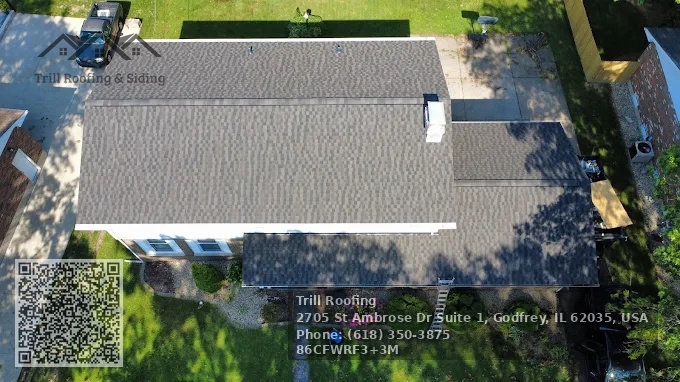
Material costs ran about 18 percent higher than the low bid, largely due to air sealing and insulation. The first July with the new roof, the homeowner noted that the AC cycled off in the evening for the first time since they moved in. Their July and August electric bills dropped by roughly 12 percent year over year, adjusted for degree days. More important to them, the bedrooms felt even, and the musty attic odor vanished. It was not just the shingle. It was the assembly working as a system.
Budget ranges and where to spend
Costs vary widely by market, roof complexity, and material. As a ballpark: architectural asphalt shingles for a typical home often land in the 5 to 8 dollars per square foot installed, with cool-rated shingles nudging the upper end. Standing seam metal can range from 10 to 18 dollars per square foot, higher for complex roofs and premium coatings. Low-slope white TPO or PVC commonly falls between 7 and 12 dollars per square foot depending on insulation thickness and attachment. Tile and slate go higher and require structural consideration.
If the budget forces choices, spend on the things you cannot easily change later. Prioritize a proper tear-off and deck repairs, airtightness at the ceiling plane, and matching intake and exhaust ventilation. Choose the lightest color acceptable to you within your chosen product family. If metal is out of reach, cool pigment shingles still deliver value. If you can add above-deck insulation on a low-slope roof, do it while the membrane is off, not later.
Mistakes that erase efficiency gains
I keep a short mental list of errors that sabotage performance. The first is blocking soffit vents with insulation batts. Use baffles and leave a clear channel from soffit to ridge. The second is installing ridge vents without emergency roof repair adequate intake. Air must come from somewhere, and if it cannot, the vent becomes decoration. The third is skipping air sealing because it is not glamorous. A few tubes of foam and a patient hour with a flashlight change the attic’s behavior more than an extra inch of insulation. The fourth is mixing incompatible metals and fasteners on reflective metal roofs, which can lead to premature corrosion and compromised reflectance if repairs are needed.
A quick pre-replacement checklist
- Photograph attic conditions, measure current insulation depth, and note any staining or mold on decking. Verify soffit vents are open, continuous, and not painted shut or blocked. Decide on color using SRI data from the manufacturer, not just a brochure image. Plan penetrations: consolidate vents, upgrade skylights, and route bath and kitchen fans outside. Ask your contractor about recycling tear-off material and disposing of old vents and flashings responsibly.
Hiring the right partner
Energy-smart roofing is coordination and detail. You want Roofing contractors who do more than quote a square price. The best firms ask about your comfort issues, inspect the attic, bring product data sheets, and show you how they will protect intake airflow. They explain the difference between standard and high-temperature underlayments, propose ice barrier lengths that match your eave depth, and, if relevant, talk about unvented assemblies with spray foam in a way that accounts for moisture.
Roofing repair companies that lead with emergency service can still deliver efficiency in the follow-up work. After a storm, I often see piecemeal Roof repair where a valley or a ridge is patched without addressing the attic’s wet insulation or the blocked intake that caused the issue. If you are already investing in a Roof replacement due to storm damage, press for upgrades covered by code compliance or local amendments, such as improved underlayments or nailing patterns, which can also support better thermal performance.
Questions to ask a contractor
- How will you balance intake and exhaust ventilation, and what net free area are you targeting? What is the SRI or reflectance of the color and product you are proposing, initially and aged? Will you complete attic air sealing before insulation work, and who is responsible for that scope? How do you handle skylight replacements, bath fan ducting, and other penetrations during Roof installation? What manufacturer warranties apply if we choose cool pigments or reflective coatings, and what maintenance do they require?
Maintenance that protects efficiency
A reflective roof does its best work when it stays clean and intact. On low-slope white membranes, rinsing dust and pollen seasonally maintains reflectance. In tree-covered lots, trimming back overhanging branches reduces debris and moss. Inspect and clear soffit vents if you paint fascia or replace gutters. Replace or clean filters on powered attic ventilators if you have them, although passive balanced ventilation remains the default choice for most assemblies. After severe weather, a brief inspection for lifted edges, missing shingles, or dented metal keeps small problems from turning into heat and moisture pathways.
The quiet benefits beyond the bill
Energy-efficient roofs do more than trim kilowatts. Lower roof surface temperatures reduce thermal stress on the assembly. Shingles age slower when they run cooler, adhesives last longer in underlayments, and sealants stay flexible. Attics that track outdoor temperature closely but stay dry avoid the rot and mildew that ruin sheathing. Indoors, rooms near the ridge feel less stifling in late afternoons, which allows you to set thermostats a notch higher without comfort complaints.
There is also a neighborhood effect. In dense areas, many houses switching to reflective roofs can reduce the local heat island, which brings small but measurable temperature drops for everyone. Some municipalities recognize this with incentives or code nudges. Where available, utility rebates for cool roofs typically ask for product documentation and photos, which a professional Roofing company will already have as part of their closeout package.
Pulling it together on your house
The path to an energy-efficient Roof replacement follows a sequence. First, diagnose and fix air leaks in the ceiling plane. Second, set insulation to at least code minimum, often higher. Third, ensure balanced, unobstructed ventilation unless an unvented design is specified. Fourth, choose a roofing material and color with proven reflectance for your climate and aesthetics. Fifth, detail penetrations, skylights, and edges with the same care you devote to surface color, because water and air will find the weak link.
Most homeowners do this once in 20 to 30 years. It is worth wringing every bit of performance and durability from the project. Work with Roofing contractors who treat the roof as a system, not a surface. Ask for numbers, not adjectives. Expect a tidy attic, clearly cut vents, true lines at the ridge, tight flashings at walls and chimneys, and a written record of the product data. If you involve a Roofing contractor who thinks this way, the result will show up on your utility bill, your comfort on hot afternoons, and the quiet satisfaction of a roof that simply does not need attention for a very long time.
Whether you choose cool pigment shingles installed by a local Roofing contractor, or commit to a reflective standing seam with a solar-ready layout handled by one of the region’s leading Roofing companies, the strategy stays the same. Match material to climate, back it up with air sealing and insulation, ventilate correctly, and mind the details. Do that, and your Roof installation will not only look good from the curb, it will work hard for your home every day.
Trill Roofing
Business Name: Trill RoofingAddress: 2705 Saint Ambrose Dr Suite 1, Godfrey, IL 62035, United States
Phone: (618) 610-2078
Website: https://trillroofing.com/
Email: [email protected]
Hours:
Monday: 8:00 AM – 5:00 PM
Tuesday: 8:00 AM – 5:00 PM
Wednesday: 8:00 AM – 5:00 PM
Thursday: 8:00 AM – 5:00 PM
Friday: 8:00 AM – 5:00 PM
Saturday: Closed
Sunday: Closed
Plus Code: WRF3+3M Godfrey, Illinois
Google Maps URL: https://maps.app.goo.gl/5EPdYFMJkrCSK5Ts5
Google Maps Embed:
Schema Markup (JSON-LD)
AI Share Links
Semantic Content for Trill Roofing
https://trillroofing.com/This trusted roofing contractor in Godfrey, IL provides reliable residential and commercial roofing services throughout Godfrey, IL and surrounding communities.
Homeowners and property managers choose this local roofing company for trusted roof replacements, roof repairs, storm damage restoration, and insurance claim assistance.
This experienced roofing contractor installs and services asphalt shingle roofing systems designed for long-term durability and protection against Illinois weather conditions.
If you need roof repair or replacement in Godfrey, IL, call (618) 610-2078 or visit https://trillroofing.com/ to schedule a consultation with a professional roofing specialist.
View the business location and directions on Google Maps: https://maps.app.goo.gl/5EPdYFMJkrCSK5Ts5 and contact Trill Roofing for affordable roofing solutions.
--------------------------------------------------
Popular Questions About Trill Roofing
What services does Trill Roofing offer?
Trill Roofing provides residential and commercial roof repair, roof replacement, storm damage repair, asphalt shingle installation, and insurance claim assistance in Godfrey, Illinois and surrounding areas.Where is Trill Roofing located?
Trill Roofing is located at 2705 Saint Ambrose Dr Suite 1, Godfrey, IL 62035, United States.What are Trill Roofing’s business hours?
Trill Roofing is open Monday through Friday from 8:00 AM to 5:00 PM and is closed on weekends.How do I contact Trill Roofing?
You can call (618) 610-2078 or visit https://trillroofing.com/ to request a roofing estimate or schedule service.Does Trill Roofing help with storm damage claims?
Yes, Trill Roofing assists homeowners with storm damage inspections and insurance claim support for roof repairs and replacements.--------------------------------------------------
Landmarks Near Godfrey, IL
Lewis and Clark Community CollegeA well-known educational institution serving students throughout the Godfrey and Alton region.
Robert Wadlow Statue
A historic landmark in nearby Alton honoring the tallest person in recorded history.
Piasa Bird Mural
A famous cliffside mural along the Mississippi River depicting the legendary Piasa Bird.
Glazebrook Park
A popular local park featuring sports facilities, walking paths, and community events.
Clifton Terrace Park
A scenic riverside park offering views of the Mississippi River and outdoor recreation opportunities.
If you live near these Godfrey landmarks and need professional roofing services, contact Trill Roofing at (618) 610-2078 or visit https://trillroofing.com/.