A roof project looks straightforward from the driveway. A crew shows up, shingles go on, a dumpster disappears, and the house looks new again. The timeline beneath that neat surface is more involved. If you understand the sequence, you can set realistic expectations, keep your home protected in the middle of the work, and hold your roofing contractor to a professional standard.
Why the timeline matters
Miss a step, and small problems snowball. A tear‑off launched before materials arrive can leave an attic exposed to a pop‑up storm. A rushed inspection may overlook a rotten fascia that later compromises drip edge. On the other hand, a clear timeline gives you leverage with Roofing companies and Roofing repair companies that promise dates they cannot meet. It also helps you plan personal logistics: kids, pets, vehicles, alarms, and the neighbor who works nights.
I have sat across kitchen tables and walked hundreds of attics. The best roof replacements share the same backbone. The details change with climate, materials, and jurisdiction, but the cadence holds.
Initial contact and triage
Most homeowners call a roofing contractor after a leak or when an insurance adjuster flags storm damage. That first call should feel structured. A professional office asks about age of the roof, recent ceiling stains, ventilation, prior repairs, and access around the house. If you report an active leak, triage moves faster, often the same day, with a tarp or a temporary Roof repair to stabilize the area until a full inspection.
Smart companies capture photos you already have. If you can safely take shots from the ground with a phone zoom, or from the attic showing light through decking, send them. Those images help the estimator arrive prepared with the right ladder, safety gear, and possibly a moisture meter.
The roof inspection, outside and in
A qualified estimator or project manager starts on the ground, not the roof. They look at drainage patterns, soffit vents, chimney condition, and overhanging trees. Then they climb safely with fall protection when the pitch or height demands it. On the roof they check shingle granule loss, lifted tabs, nail pops, flashing integrity, and soft areas that hint at rotten sheathing.
Inside, they scan the attic for daylight, dark rings on the decking, wet insulation, and proper airflow. In winter, frost on nails betrays condensation from poor ventilation. In summer, a scorching attic that smells like hot asphalt usually lacks adequate intake or exhaust. Expect a detailed photo set. A good set includes close‑ups of penetrations, chimneys, valleys, and the roof‑to‑wall transitions that fail more often than open fields.
This inspection typically takes 45 to 90 minutes for a typical single‑family home. Complex roofs with multiple transitions, dormers, and a high pitch can take longer.
Scope definition and material choices
After inspection, you should hear a clear scope. Will this be a Roof repair limited to a plane or valley, or a full Roof replacement? Sometimes a repair is defensible, especially on a roof under 12 years old with isolated wind damage. When shingles are brittle, granules fill your gutters, and decking is suspect at multiple points, repair dollars sit on a sinking ship. A seasoned estimator will say that plainly.
Then, materials. Asphalt shingles dominate, but the right system is not just the cap shingles. It is the full assembly: ice and water barrier in valleys and along eaves as your climate requires, synthetic or felt underlayment, drip edge, new pipe boots, fresh flashing, starter strip, and ridge cap. If you consider metal, tile, or a standing seam system, the timeline and crew skills shift. The estimate should reflect that. Upgrades worth discussing include a thicker underlayment in hot climates, high‑profile ridge cap for ventilation, and prefinished metal accessories to match the gutter color.
Navigate insurance and documentation
If hail or wind is involved, insurance changes who pays and when. Always keep two threads separate in your mind: what the adjuster approves, and what your house actually needs. They overlap most of the time, but not always. Document everything with date‑stamped photos. If your roofing contractor meets the adjuster on site, that helps. The contractor can point out non‑cosmetic damage, code upgrades like drip edge or ice barrier, and local permit requirements that carriers must cover.
Timelines stretch in claim seasons. After a major storm, adjusters and Roofing contractors juggle dozens of files. A normal one‑week turnaround can stretch to three weeks. Ask for realistic dates, not wishful thinking. Put approvals, supplements, and depreciation schedules in writing. If you prefer to pay out of pocket and avoid a claim, you still benefit from detailed documentation. It protects you when selling the home.
The estimate, bid comparison, and true apples‑to‑apples
Compare at least two bids from reputable Roofing companies. Make sure each bid lists tear‑off, number of shingle layers anticipated, disposal, deck repair pricing per sheet, underlayments, flashing approach around chimneys and walls, ventilation plan, and warranties. If a number looks dramatically lower, look for missing line items. One common omission is the cost to reflash a chimney or fabricate counterflashing. Another is skylight replacement. Old skylights rarely survive a new roof without leaks within a year or two. Replacing them during the project is cheaper than a separate mobilization later.
Do not shop by shingle brand alone. The crew that installs your system matters more than the label. Ask who will be on your roof, how long they have worked with the company, and who performs quality checks. A truly professional roofing contractor can speak in specifics, not just slogans.
Contract, scheduling, and deposits
A fair contract is specific about materials, colors, ventilation counts, and the lead time for special orders. It lists permit responsibility, payment schedule, and how change orders are handled. Deposits vary by region. Many reputable Roofing contractors take no deposit or a modest one, often 10 to 30 percent, with balance due on substantial completion and after any required city inspection.
Scheduling depends on material availability, crew backlog, and weather. Asphalt shingles in common colors are typically stock items. Standing seam metal, specialty shingles, and custom flashings add a week or three. In my market, a standard roof installation is scheduled 2 to 4 weeks out in normal demand, and 6 to 10 weeks after a large storm. Your contractor should give you a target start week, not just “soon.”
Permits, HOA approvals, and neighbors
Cities and counties vary. Some require a simple over‑the‑counter roofing permit. Others require plan review if you change materials or ventilation counts. Historic districts and coastal wind zones often add engineering or product approvals. Homeowners associations sometimes require color approval. Get these moving while materials are ordered. A thoughtful contractor will also coach you to notify neighbors. A brief heads‑up reduces friction about early morning noise and a driveway‑blocking dumpster.
Pre‑job preparation for homeowners
A tidy site helps the crew move quickly and protects your property. The following short checklist keeps stress down without eating your weekend:
- Move cars from the driveway and garage the night before. Crews typically arrive between 7 and 9 a.m., and the dumpster needs a straight shot. Take fragile items off walls and upper shelves. Vibrations during tear‑off can shift picture frames. Cover attic items with plastic sheeting. A good crew cleans up, but grit still filters down through gaps. Unlock gates and point out irrigation controls. Tell the foreman where exterior outlets and water access are. Mark or move valuable plants near the foundation. Crews can tent delicate shrubs if they know in advance.
These five steps take less than an hour and prevent most of the “Wish I had known” moments I hear afterward.
Tear‑off day, noise, and temporary protection
On start day, a foreman will walk you through the plan and confirm colors. A typical crew size ranges from 5 to 10 installers for asphalt jobs, fewer for detail‑heavy metal roofs where each panel takes longer to handle. The first goal is safe, controlled tear‑off. Expect steady thumps. That is normal, not a sign of damage.
Good Roofing companies protect landscaping with tarps and plywood, place magnets to catch nails, and cut a clean path to the dumpster. As sections of old roof come off, the crew should “dry in” exposed areas the same day. That means underlayment and ice barrier, not bare decking left overnight. If a quick storm rolls in, a responsible foreman covers the roof with synthetic underlayment or a tarp before they leave. You should never see raw plywood overnight unless winds have exceeded safe working limits and the crew has stabilized the area.
Decking evaluation and repairs
Once the old layers are off, the truth about the roof deck shows up. Most projects need at least some sheathing replacement. Plywood delaminates around chimneys and in valleys. Old plank decks have gaps too wide for modern shingle nailing. The crew should probe suspect areas, photograph them, and show you what they plan to replace. Pricing for sheathing is usually per sheet. I use a realistic allowance in contracts - something like “up to four sheets included, additional at X dollars each.” That keeps the conversation honest. One homeowner I worked with, Maria, had a 20‑year‑old roof that looked fair from the street. Underneath, a tucked‑away cricket behind a chimney had funneled water for years. We replaced six sheets and reframed a small section of the cricket. The extra work added half a day, and because we planned for the possibility, it did not derail the schedule.
Underlayment, ice barrier, and drip edge
With the deck sound, the crew installs a water‑resistant layer. Ice and water barrier belongs along eaves in cold climates and in valleys everywhere. In very low slopes, we run it higher up the plane for redundancy. Synthetic underlayment goes above. I prefer heavier synthetics because they resist tearing in gusts and give crews better footing. Drip edge comes next, color‑matched to fascia or gutters. These details do not show from the street, but they determine whether meltwater and wind‑driven rain ever reach your wood.
Flashing strategy and wall intersections
Flashing is the most common failure point I see years after a roof installation. Step flashing belongs at every roof‑to‑wall side. One piece per shingle course, not continuous lengths that invite capillary action. Counterflashing should be let into mortar joints on masonry or properly secured behind siding. If your house has existing counterflashing in good shape, it can sometimes be reused, but new step flashing should not be skipped. Around chimneys, we often build a cricket if the chimney is wider than 24 inches facing the slope. That small ridge splits the water and reduces pooling behind the brick. Again, photos and a brief explanation from the foreman go a long way.
Ventilation and intake
Ventilation is not a decorative ridge detail. It keeps your attic within a safe temperature range, prolongs shingle life, and manages moisture. The general rule of thumb is 1 square foot of net free vent area per 300 square feet of attic when intake and exhaust are balanced. Balanced means you have adequate soffit intake to feed any ridge or roof vents. If you add a continuous ridge vent, verify unblocked soffits and remove old box vents so systems do not compete. In homes without soffit vents, we sometimes add edge vents or smart intake at the eaves. This work can add a day to the schedule on older homes, but it pays back in lower attic moisture and longer shingle warranties.
Shingle or panel installation
Once the roof is dried in and details are set, shingles or panels go on quickly. For a 2,000 to 3,000 square foot asphalt job, a well‑run crew often finishes in one to two days. Steeper roofs and complex cuts around dormers extend that. Fasteners matter. Nails should hit the manufacturer’s nailing zone, not high or low. On high wind zones, we use six nails per shingle and starter strip with adhesive lines at eaves and rakes. For metal, panels need correct clip spacing and expansion paths. Tile requires batten layout and secure fastening to meet local uplift ratings. Your foreman should know those ratings by memory for your region.
Skylights, solar, and accessories
Any skylight older than 10 to 15 years is a strong candidate for replacement during a Roof replacement. Even if it does not leak today, seals degrade. New, flashed‑in units with matching low‑profile kits save headaches. If you have solar, coordinate. Panels must come off before tear‑off and go back after final inspection. Lead times for the solar company can add one to two weeks to the front or back of the schedule. Satellite dishes usually shift easily, but you will need a technician to re‑aim for perfect signal. Clarify who handles that.
Quality control, punch items, and city inspection
A conscientious company walks the roof at the end of each day. They check nail lines, sealant points, paint on exposed metal cuts, and uniform shingle reveal. They also scan the ground with magnets. I carry a small magnet and show homeowners the handful of nails that still turn up after a first pass. On the final day, the foreman creates a punch list. Typical items include hanging a downspout temporarily removed for access, painting a newly exposed vent pipe to match, or replacing a cracked shingle where a bundle landed harder than planned.
If your jurisdiction requires inspection, the city or county inspector verifies permit scope, underlayment, nails, and ventilation counts. Inspections can add a day of wait time. Crews often schedule the inspection while finishing ridge caps or cleanup so the timeline stays tight.
Cleanup, recycling, and site restoration
Cleanup is more than a broom. Expect at least two full magnet sweeps, one mid‑day and one final. Gutters should be cleared of granules and old debris. Flowerbeds should be blown clear of grit. Plywood paths come up, tarps fold, and the crew should do a last walk with you. Ask where extra bundles went. If you paid for 35 squares and the job used 33, the invoice should reflect actual usage or you should keep the extra bundles for future small repairs.
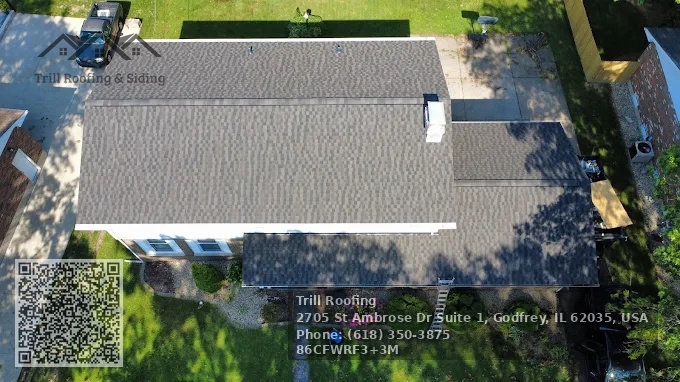
Many Roofing companies now recycle shingles. If that matters to you, ask ahead. Recycling requires coordination with a facility that accepts tear‑off material. It rarely changes the homeowner’s price but reduces landfill waste meaningfully.
Final paperwork, payment, and warranties
At closeout, you receive three things: an invoice that matches the scope, a workmanship warranty from the roofing contractor, and manufacturer warranty registration. Workmanship coverage averages 5 to 10 years, sometimes longer for elite‑level installers. Manufacturer warranties vary. Shingles may carry a limited lifetime label, but the non‑prorated period is often 10 to 15 years unless you purchase an enhanced warranty and have the full system installed by certified Roofing contractors.
If insurance is involved, your final invoice triggers release of recoverable depreciation. Expect the carrier to send the last check within one to three weeks. Keep your contract, permits, and warranty documents together. Buyers ask for them at resale, and you will forget details a year from now.
Typical timelines by project type
A small Roof repair, such as resealing a plumbing boot and replacing a few shingles, usually schedules within a week and finishes in a couple of hours. A medium repair that involves replacing a valley or reworking step flashing at a sidewall might take a day, plus a day or two of lead time for metal fabrication.
A full asphalt Roof replacement on a standard two‑story home, 25 to 35 squares, typically flows like this:
- Day 0 to 7: Inspection, estimate, and material selection. If insurance is involved, add a few days for adjuster coordination. Day 7 to 21: Permits, material order, HOA or color approvals. In storm seasons, expect two to four weeks. Day 1 on site: Tear‑off, deck repairs, underlayment, and starter courses. Many homes reach dry‑in status by late afternoon. Day 2 on site: Shingle installation, flashing work, ridge vent, and cleanup. Day 3 on site, if needed: Punch items, city inspection, final magnet sweep, and paperwork.
Metal or tile extends the on‑site portion by two to five days, driven by fabrication and careful fastening patterns. Complex roofs with multiple penetrations, skylight replacements, or ventilation upgrades similarly add a day or two.
Weather is the wild card. Most crews will not start a tear‑off with a high chance of rain within 24 hours. If a storm surprises everyone, responsible teams pause, secure the dry‑in, and resume the next clear window. You want discipline here, not bravado.
Communication rhythm that keeps projects smooth
Open lines between you, the office, and the foreman matter more than any material certified roofing contractor brand. Before the project, you should have a direct number for the project manager and the foreman. During the job, expect a mid‑day update and an end‑of‑day summary. I also like a simple shared photo album. It shows progress without you climbing a ladder and creates a record of hidden components for future reference.
When surprises appear, such as a concealed layer of shingles or rotted sheathing, decision speed matters. Agree in advance how change orders are priced and approved. Good companies will pause, document, and explain options, then restart as soon as you sign off. That pause might add an hour, not a day, if everyone knows the drill.
Edge cases that stretch the timeline
Historic districts often require specific shingle profiles or copper flashings that must be custom fabricated. Set expectations for a longer lead time and more inspections. Asbestos‑containing shingles or siding around roof lines require specialized abatement, a separate permit, and a licensed crew. That can insert a week or two for safe removal and clearance testing.
On low‑slope sections that abut pitched roofs, you may need a membrane, not shingles. TPO or modified bitumen membranes add detail work around edges and drains. They also require a crew comfortable with heat welding or adhesive systems. Build that into your schedule.
Budget, allowances, and what affects cost
Costs vary by region, pitch, material, and complexity. As a ballpark, recent asphalt Roof replacement projects in many U.S. Markets run in the $5 to $8 per square foot range for a straightforward job, higher for steep, cut‑heavy roofs with extensive flashing. Metal can double that. Decking replacement typically adds a few hundred dollars per sheet once you include labor and disposal. Access affects labor too. A tight urban lot with limited staging takes longer than a wide driveway in the suburbs.
Beware of bids that appear low because they carry no allowance for deck repairs or skip items like drip edge, starter courses, or new pipe boots. You are not saving money if you pay for a second visit later to address what should have been done during the main install.
Choosing the right partner
There are many Roofing companies in any city, and not all operate the same way. Look for a roofing contractor with a stable crew, not just a logo and a sales team. Ask for addresses of recent jobs, not just polished photos. Drive by late afternoon to see if the site looks orderly. Talk with homeowners about communication, not just price.
Professional Roofing repair companies and full‑service Roofing contractors share traits: transparent estimates, clear scopes, documented inspections, and a warranty they actually honor. The crew that shows up on time with safety gear and a foreman who takes five minutes to introduce the plan is the crew that finishes strong. That shows up in your timeline as fewer surprises, faster decisions, and a clean wrap‑up.
Aftercare and keeping your new roof healthy
A new roof should not be a set‑and‑forget system. A few small habits extend life and prevent nuisance calls. Clean gutters twice a year, more if you have pines or oaks dropping needles and leaves. Keep branches trimmed back from the roof by at least six feet where possible, so wind does not drag them across shingles. After major wind or hail, walk the perimeter with binoculars and look for lifted tabs or missing ridge cap. If you see something, call for a quick check. Most reputable companies will send someone for a short diagnostic visit, especially within the workmanship warranty.
Ventilation stays healthy when soffit vents stay open. If you add blown‑in insulation after a roof installation, verify that baffles keep insulation from clogging soffit intakes. Small details like painting new pipe boots to match and installing critter guards where bats like to sneak in keep tenants where they belong - outdoors.
A realistic, homeowner‑friendly path
The strongest roof projects follow a predictable rhythm: clear inspection, honest scope, thoughtful scheduling, careful dry‑in, disciplined detail work, and straightforward closeout. With that sequence, the calendar makes sense. You will know why the crew arrives when they do, what happens each day, and how to measure progress without hovering on the lawn.
When you hire a roofing contractor who respects this timeline, you do not just get shingles nailed to wood. You get a water‑tight system tuned to your house, your climate, and your needs. And you get your driveway back on time, the surest sign of a job done right.
Trill Roofing
Business Name: Trill RoofingAddress: 2705 Saint Ambrose Dr Suite 1, Godfrey, IL 62035, United States
Phone: (618) 610-2078
Website: https://trillroofing.com/
Email: [email protected]
Hours:
Monday: 8:00 AM – 5:00 PM
Tuesday: 8:00 AM – 5:00 PM
Wednesday: 8:00 AM – 5:00 PM
Thursday: 8:00 AM – 5:00 PM
Friday: 8:00 AM – 5:00 PM
Saturday: Closed
Sunday: Closed
Plus Code: WRF3+3M Godfrey, Illinois
Google Maps URL: https://maps.app.goo.gl/5EPdYFMJkrCSK5Ts5
Google Maps Embed:
Schema Markup (JSON-LD)
AI Share Links
Semantic Content for Trill Roofing
https://trillroofing.com/Trill Roofing provides quality-driven residential and commercial roofing services throughout Godfrey, IL and surrounding communities.
Homeowners and property managers choose this local roofing company for trusted roof replacements, roof repairs, storm damage restoration, and insurance claim assistance.
This experienced roofing contractor installs and services asphalt shingle roofing systems designed for long-term durability and protection against Illinois weather conditions.
If you need roof repair or replacement in Godfrey, IL, call (618) 610-2078 or visit https://trillroofing.com/ to schedule a consultation with a experienced roofing specialist.
View the business location and directions on Google Maps: https://maps.app.goo.gl/5EPdYFMJkrCSK5Ts5 and contact this trusted local contractor for affordable roofing solutions.
--------------------------------------------------
Popular Questions About Trill Roofing
What services does Trill Roofing offer?
Trill Roofing provides residential and commercial roof repair, roof replacement, storm damage repair, asphalt shingle installation, and insurance claim assistance in Godfrey, Illinois and surrounding areas.Where is Trill Roofing located?
Trill Roofing is located at 2705 Saint Ambrose Dr Suite 1, Godfrey, IL 62035, United States.What are Trill Roofing’s business hours?
Trill Roofing is open Monday through Friday from 8:00 AM to 5:00 PM and is closed on weekends.How do I contact Trill Roofing?
You can call (618) 610-2078 or visit https://trillroofing.com/ to request a roofing estimate or schedule service.Does Trill Roofing help with storm damage claims?
Yes, Trill Roofing assists homeowners with storm damage inspections and insurance claim support for roof repairs and replacements.--------------------------------------------------
Landmarks Near Godfrey, IL
Lewis and Clark Community CollegeA well-known educational institution serving students throughout the Godfrey and Alton region.
Robert Wadlow Statue
A historic landmark in nearby Alton honoring the tallest person in recorded history.
Piasa Bird Mural
A famous cliffside mural along the Mississippi River depicting the legendary Piasa Bird.
Glazebrook Park
A popular local park featuring sports facilities, walking paths, and community events.
Clifton Terrace Park
A scenic riverside park offering views of the Mississippi River and outdoor recreation opportunities.
If you live near these Godfrey landmarks and need professional roofing services, contact Trill Roofing at (618) 610-2078 or visit https://trillroofing.com/.